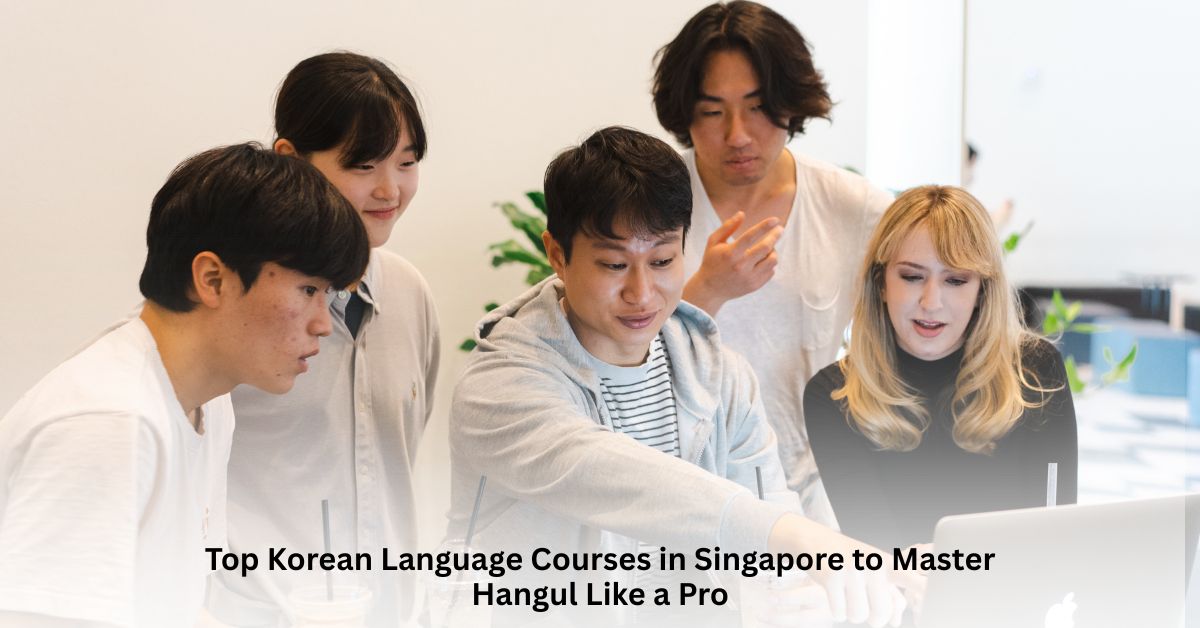

If you want to learn Korean and master Hangul quickly and effectively, Singapore offers a variety of high-quality options. This guide highlights why Singapore is a great place to learn Korean, what to expect from well-structured courses, recommended course types and institutes, and practical tips to ensure you progress from beginner to confident speaker. Whether your goal is travel, work, study, or simply enjoying K-culture, the right course will help you master Hangul like a pro.
Why Learn Korean in Singapore?
Singapore is a multicultural hub with experienced language institutes that bring together native Korean instructors and trained local teachers. Class sizes are often small, learning schedules and many institutes blend modern teaching methods with practical conversation practice. The presence of Korean businesses, cultural events, and strong interest in K-pop and K-dramas makes practicing Korean both motivating and convenient. Most important, courses in Singapore are tailored to different goals, from casual learners aiming to read subtitles to professionals preparing for business interactions or TOPIK exams.
What Makes a Course Effective for Mastering Hangul?
Not all language courses are created equal. To really master Hangul, you should look for courses that combine the following elements: a focused Hangul module for correct reading and writing, structured grammar progression, ample speaking and listening practice, regular homework and revision, native or near-native pronunciation models, and opportunities for cultural immersion. Courses that include mock tests for the TOPIK exam or practical projects (presentations, role-plays, writing short essays) accelerate learning because they give measurable outcomes and repeated real-use practice.
Types of Korean Courses Available in Singapore
Most institutes offer a range of formats to suit different learners:
- Beginner Hangul Foundations: Intensive modules focused only on reading and writing Hangul, usually lasting 2–6 weeks. Great for absolute beginners who want a quick start.
- General Korean (Beginner → Advanced): Multi-level courses that cover grammar, vocabulary, listening and speaking across several months. These form the backbone for steady progress.
- Conversational Korean: Shorter, practical classes emphasizing speaking and listening for daily use, travel, and casual conversations.
- Business Korean: Specialized classes teaching formal language, email etiquette, negotiations, and workplace vocabulary.
- TOPIK Preparation: Exam-focused courses that prepare students for the Test of Proficiency in Korean with strategies, past papers, and timed exercises.
- Private 1-on-1 Tutoring: Customized lessons for learners who need a faster pace or specific focus areas like pronunciation or writing.
Recommended Features to Look For
When comparing institutes and course offers, prioritize these features:
- Clear syllabus and level descriptions (what each level covers).
- Qualified instructors native speakers or certified Korean language teachers.
- Practice materials: recordings, exercises, and access to learning platforms.
- Assessment and certificates or pathways to WSQ/TOPIK if needed.
Sample Course Structure to Master Hangul (8-12 weeks)
A reliable Hangul-to-conversation pathway typically follows this structure:
- Week 1-2 – Hangul & Sound System: Learn consonants, vowels, syllable blocks, correct stroke order, and basic pronunciation rules.
- Week 3-4 – Basic Grammar & Useful Phrases: Sentence structure (SOV), particles, common verbs, and building simple sentences.
- Week 5-6 – Listening & Speaking Practice: Simple dialogues, pronunciation drills, and role-plays for greetings, shopping, and directions.
- Week 7-8 – Reading & Writing Practice: Short paragraphs, reading signs/menus, writing simple messages and emails.
- Week 9-12 – Consolidation & Application: Practical projects, mock conversations, and optional TOPIK basic practice.
How to Choose the Best Korean Course in Singapore
Start by clarifying your goal: Do you need basic literacy in Hangul, fluency for travel, business vocabulary, or TOPIK certification? Once your objective is clear, request a syllabus and a trial lesson. A trial or assessment class gives insight into teaching style and pace. Also read student reviews and check if the institute organizes cultural activities; these help reinforce language learning. Compare fees with the course length and what materials or digital access are included to judge value for money.
Practical Tips to Master Hangul Faster
Outside the classroom, your daily habits matter. Spend 15-30 minutes daily practicing Hangul reading aloud, use spaced-repetition flashcards for vocabulary, watch Korean content with Korean subtitles, and speak out loud even if alone. Pair up with a language partner or join local Korean-speaking meetups to increase spoken practice. Consistent short sessions beat long irregular cramming.
Common Questions (FAQ)
How long does it take to learn Hangul?
Hangul itself is logical and can be learned in a few days for basic reading. To read fluently and write comfortably, expect 4–8 weeks of focused practice. Speaking and listening fluency takes longer and depends on course intensity and practice.
Are there WSQ or accredited Korean courses in Singapore?
Some institutes partner with local accreditation bodies or offer recognized certificates; verify accreditation if you need official recognition for employment or study applications.
Is online learning effective or should I attend in-person classes?
Both can be effective. In-person classes are excellent for speaking practice and immediate feedback, while online courses. Hybrid models combine the best of both worlds.
Can I prepare for TOPIK in Singapore?
Yes many language centres run dedicated TOPIK prep courses with practice exams and exam strategies. If certification is your goal, choose a course with explicit TOPIK preparation content.
Conclusion
Choosing the right Korean course in Singapore will fast-track your ability to read, write, and speak Korean. Focus on a program that emphasizes Hangul fundamentals, consistent speaking practice, and measurable milestones. With the right course, disciplined practice, and cultural exposure, you can truly master Hangul like a pro and open doors to new cultural and professional opportunities. Start by defining your goal, try a lesson, and commit to daily practice your progress will follow.
Enroll Now!
Search Korean institutes, request a trial class, and make Hangul your next language achievement!